
Custom Orthotics: 5 Life-Changing Benefits for Your Feet
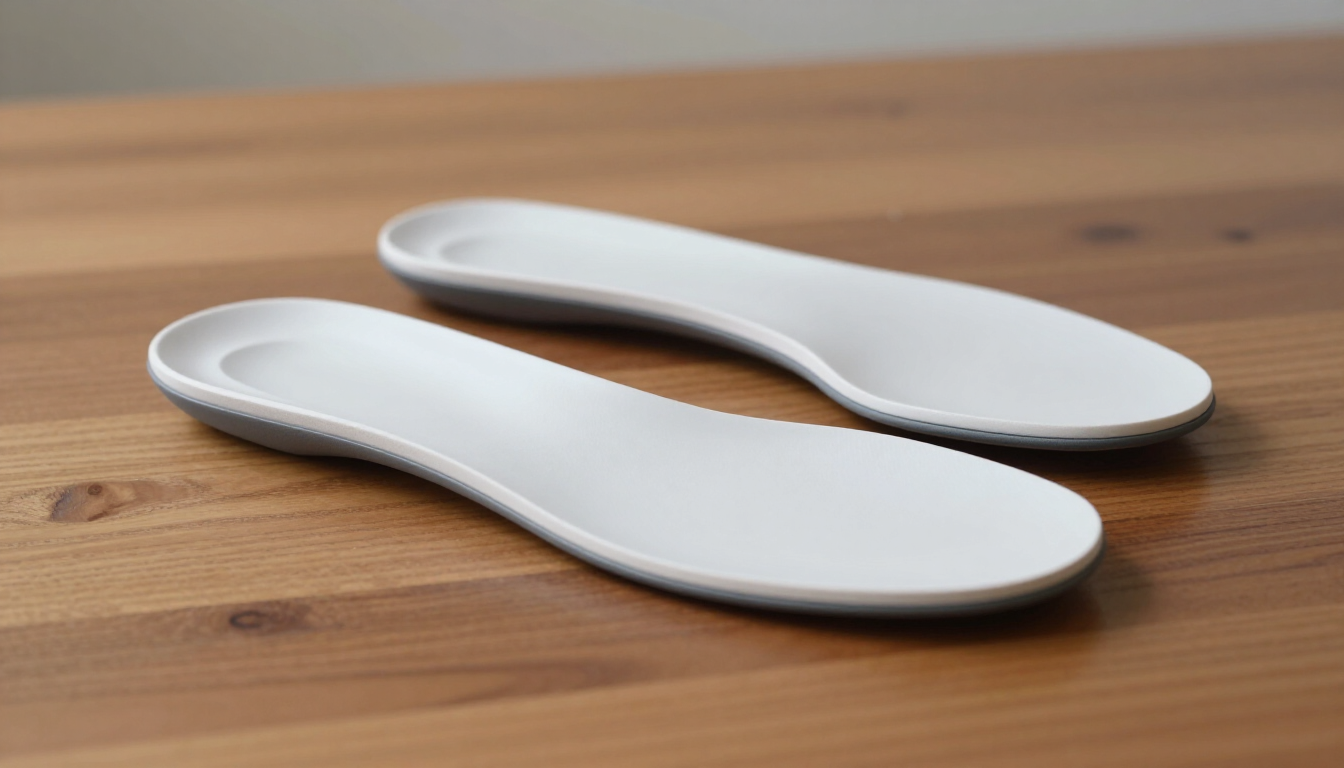
Custom orthotics are prescription medical devices designed to support, align, or improve the function of your feet. Unlike mass-produced inserts, they are uniquely crafted from a three-dimensional model of your foot to correct specific biomechanical imbalances, reduce pain, and prevent long-term injury to the feet, ankles, and lower back.
What are custom orthotics and how do they work?
Custom orthotics are much more than simple shoe pads. They are highly specialized biomechanical tools tailored to the unique contours of an individual's feet. When you walk, your feet undergo a complex series of movements involving bones, tendons, and ligaments. If the alignment is slightly off—due to genetics, injury, or wear and tear—it can cause a domino effect of pain throughout the body.
These devices work by controlling the motion of the foot and ankle. For example, if a patient has excessive pronation (the foot rolling inward too much), a custom orthotic can provide a firm arch support and a deep heel cup to stabilize the foot. This redirection of force ensures that the weight is distributed evenly across the plantar surface, reducing strain on specific pressure points. They are typically categorized into two types: functional orthotics, which are made from rigid materials like carbon fiber to control motion, and accommodative orthotics, which are softer and designed to provide cushioning for conditions like diabetic ulcers.
By addressing the root cause of mechanical inefficiency, custom orthotics allow the body’s natural healing processes to take over. This aligns with our philosophy of treating the whole person—mind, body, and spirit—to ensure long-term mobility and a pain-free lifestyle. Whether you are an athlete looking for performance gains or a professional standing all day, these devices provide the foundational stability your body needs.
Primary Benefits of Prescription Foot Support
Investing in professional-grade orthotics offers advantages that go far beyond basic comfort. Because they are designed specifically for your anatomy, the benefits are targeted and highly effective. Here are the most significant reasons why patients in Cheshire, CT, choose custom solutions:
- Precision Alignment: They correct skeletal imbalances that contribute to knee, hip, and lower back pain.
- Enhanced Shock Absorption: High-quality materials dissipate the impact of every step, protecting your joints.
- Injury Prevention: By stabilizing the foot, they reduce the risk of Ankle Sprains and stress fractures.
- Customized Pressure Relief: They are essential for Diabetic Foot Care by offloading pressure from sensitive areas to prevent wounds.
- Improved Athletic Performance: Athletes experience better balance and energy transfer, leading to more efficient movement.
Are custom orthotics better than over-the-counter inserts?
This is one of the most common questions we hear at our clinic. While over-the-counter (OTC) inserts are readily available at pharmacies, they are "one-size-fits-all" products designed for a generic foot shape. They may provide temporary cushioning, but they cannot correct underlying structural issues.
In contrast, custom orthotics are developed through a comprehensive biomechanical evaluation. An OTC insert might feel soft, but it often lacks the structural integrity to support an arch that is collapsing or to stabilize a heel that is tilting. Furthermore, using the wrong type of OTC insert can actually worsen some conditions by placing pressure in the wrong areas. Custom devices are made from durable, medical-grade materials that maintain their shape for years, whereas retail inserts often compress and lose their effectiveness within a few months. For those dealing with chronic Heel Pain or structural deformities, the clinical precision of a prescription device is indispensable.
Which foot conditions do custom orthotics treat?
Custom orthotics are versatile medical tools used to manage a wide range of podiatric issues. At our practice, we utilize them as a primary or adjunctive treatment for several conditions, including:
- Plantar Fasciitis: By supporting the arch, orthotics reduce the tension on the plantar fascia ligament, providing significant relief from morning heel pain.
- Flat Feet: For those with fallen arches, orthotics provide the necessary lift to prevent secondary issues like tendonitis.
- Bunions: While they cannot reverse a bunion, orthotics can slow its progression by correcting the foot mechanics that cause the big toe joint to drift.
- Metatarsalgia: Specialized padding can offload weight from the ball of the foot, treating inflammation and pain.
- Achilles Tendonitis: Heel lifts within an orthotic can reduce the strain on the Achilles tendon during the healing process.
Beyond these specific conditions, orthotics are also vital for patients with high arches, who often suffer from lack of shock absorption, and for those with leg-length discrepancies. By creating a level foundation, we help the entire musculoskeletal system function as it was intended.
The Biomechanical Evaluation Process
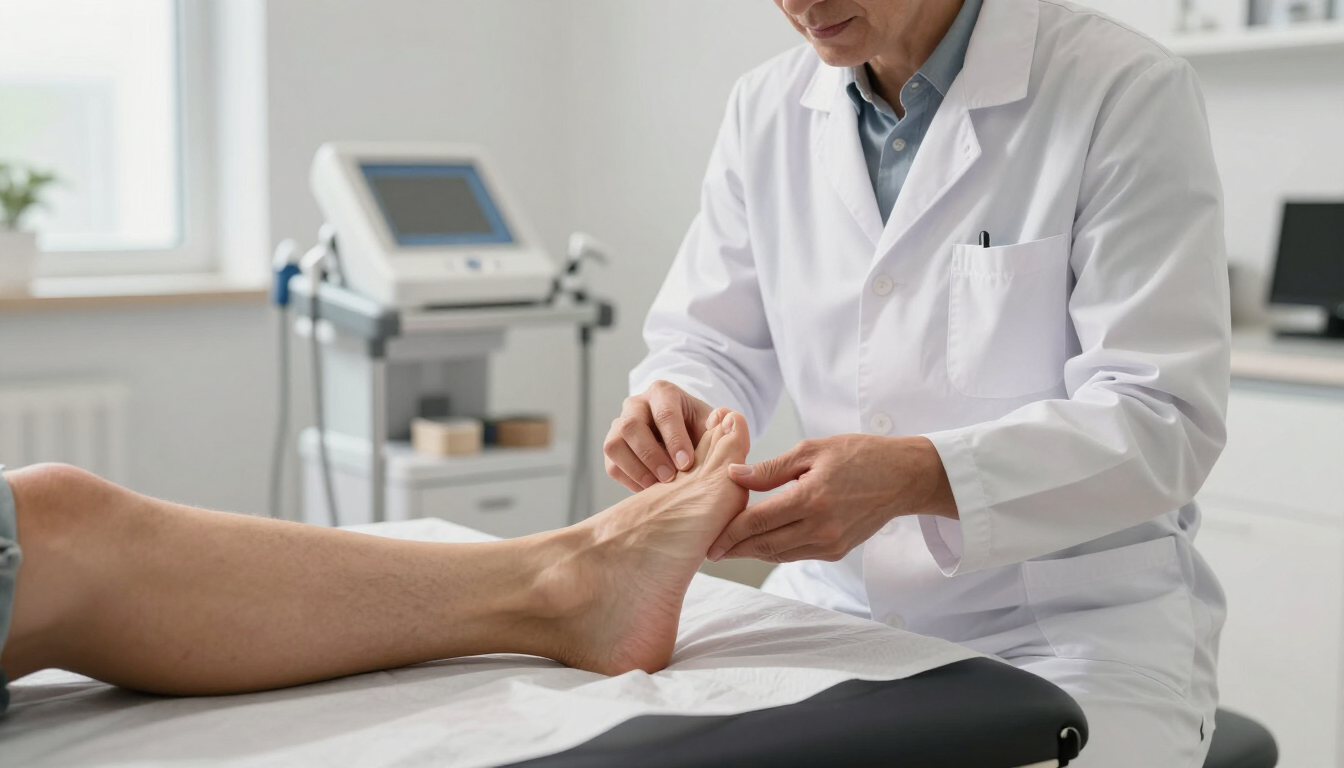
To create a truly effective custom orthotic, we follow a rigorous diagnostic process. It begins with a detailed history of your symptoms and activity levels. We then perform a biomechanical exam, where we assess the range of motion in your joints and look for signs of misalignment.
gait analysis is the next critical step. By watching how you walk, we can identify exactly where your foot is failing to provide adequate support. We use advanced technology to capture a digital or physical impression of your feet in a neutral, non-weight-bearing position. This ensure the device captures the ideal shape of your foot, not the distorted shape it takes when it collapses under your weight. Once the data is sent to a specialized laboratory, your orthotics are fabricated using high-tech materials tailored to your weight, activity, and footwear preferences.
How long do custom orthotics typically last?
The lifespan of custom orthotics depends on the materials used and your level of activity, but most patients can expect them to last between 2 and 5 years. Functional orthotics made from rigid plastics or carbon fiber are extremely durable and can often be refurbished with new top covers to extend their life. Accommodative orthotics, which are softer, may need replacement more frequently—usually every 12 to 18 months—as the cushioning materials compress over time.
Regular check-ups are essential to ensure your orthotics are still providing the correct level of support. As we age, our foot structure can change, and what worked three years ago might need adjustment today. If you notice increased pain or visible wear on the shell of the orthotic, it is likely time for an evaluation. For many of our patients, the long-term cost-effectiveness of custom orthotics is clear; they prevent the need for more invasive treatments and allow for a more active lifestyle.
Summary: Achieving Long-Term Foot Health
Custom orthotics are a foundational component of modern podiatric care, offering personalized support that over-the-counter options simply cannot match. By addressing the specific biomechanical needs of your feet, these devices alleviate pain, prevent injury, and improve overall mobility. Whether you are managing a chronic condition like Diabetic Foot Care or seeking relief from persistent Heel Pain , custom orthotics provide a science-backed solution that treats the cause, not just the symptoms.
Key Takeaways:
- Individualized Support: Every device is unique to the patient’s foot structure and gait.
- Total Body Health: Proper foot alignment reduces strain on knees, hips, and the lower back.
- Durable Investment: Lasting significantly longer than retail inserts, they offer superior medical value.
- Versatile Treatment: Effective for conditions ranging from flat feet to sports injuries.