
5 Ways Sports Medicine in Podiatry Helps You Recover
Sports medicine in podiatry helps athletes and active adults recover from foot and ankle injuries through precise evaluation, individualized treatment, rehabilitation, and prevention. A podiatrist can identify the cause of pain, improve biomechanics, manage tissue damage, and create a safe plan for returning to exercise, work, or competition.
What Does Sports Medicine in Podiatry Treat?
Sports medicine in podiatry focuses on conditions affecting the feet, ankles, and lower legs. These problems can result from a sudden accident, repetitive stress, poor mechanics, improper footwear, or a combination of factors.
Common concerns include:
- Ankle sprains and instability
- Achilles tendonitis and other tendon injuries
- Plantar fasciitis and heel pain
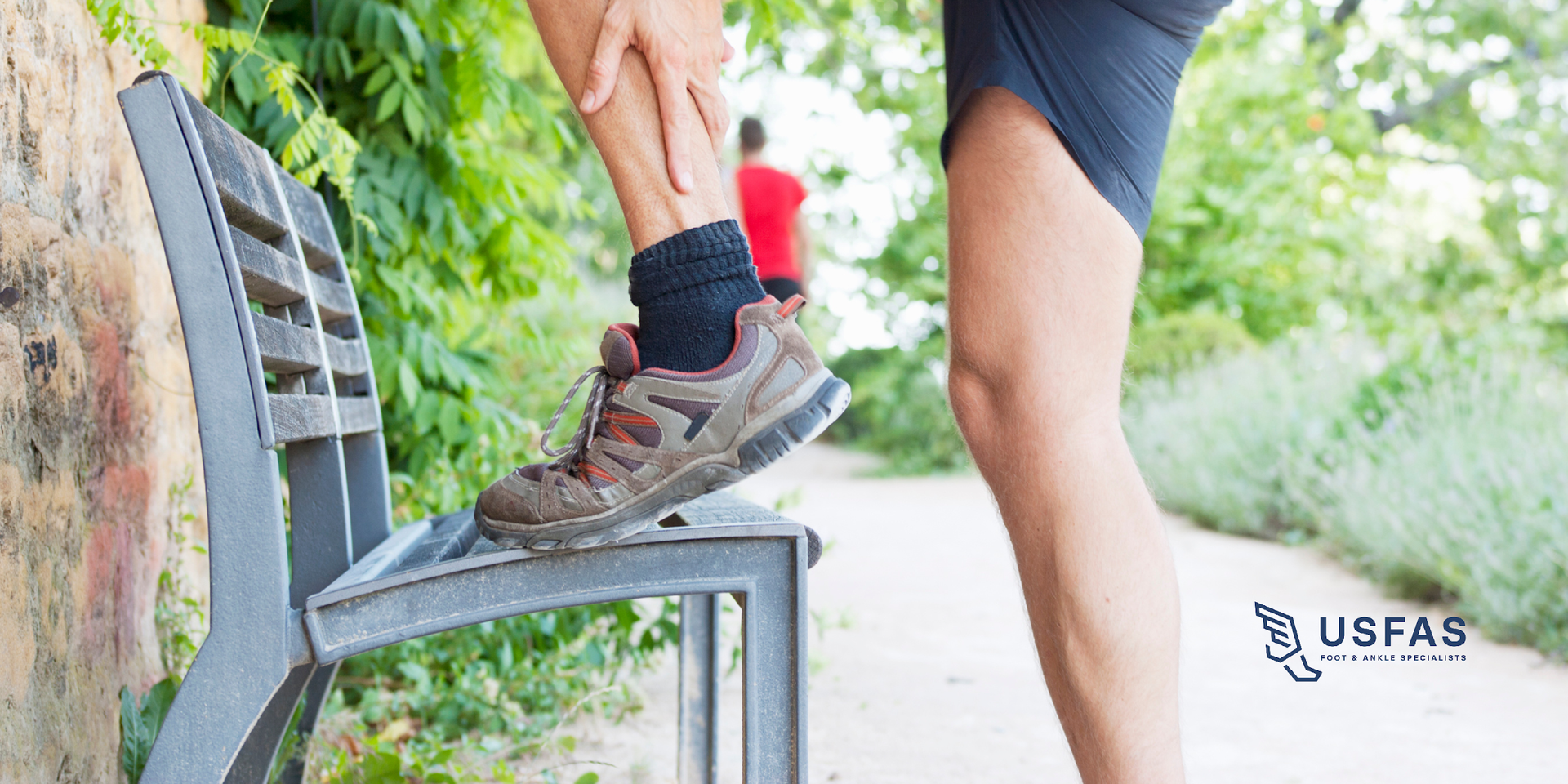
- Stress injuries and overuse conditions
- Sports-related wounds, bruising, and inflammation
- Pain linked to flat feet, orthotic needs, or uneven movement
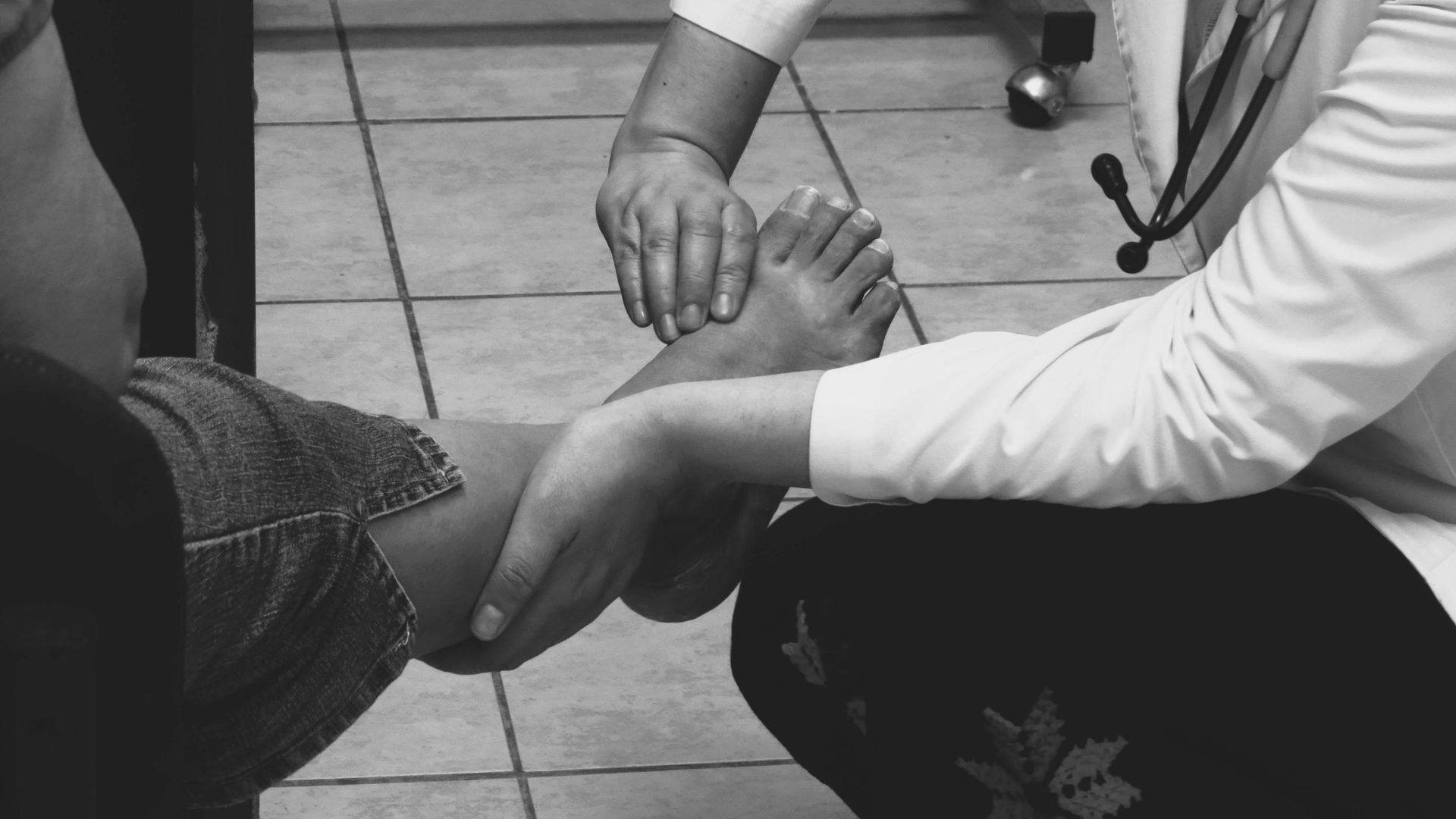
A podiatric sports medicine evaluation looks beyond the painful area. Your provider may assess walking and running patterns, joint mobility, muscle strength, balance, footwear, training habits, and previous injuries. This broader view helps address the underlying cause instead of treating symptoms alone.
How Can Sports Medicine in Podiatry Help You Recover?
1. It identifies the source of your pain
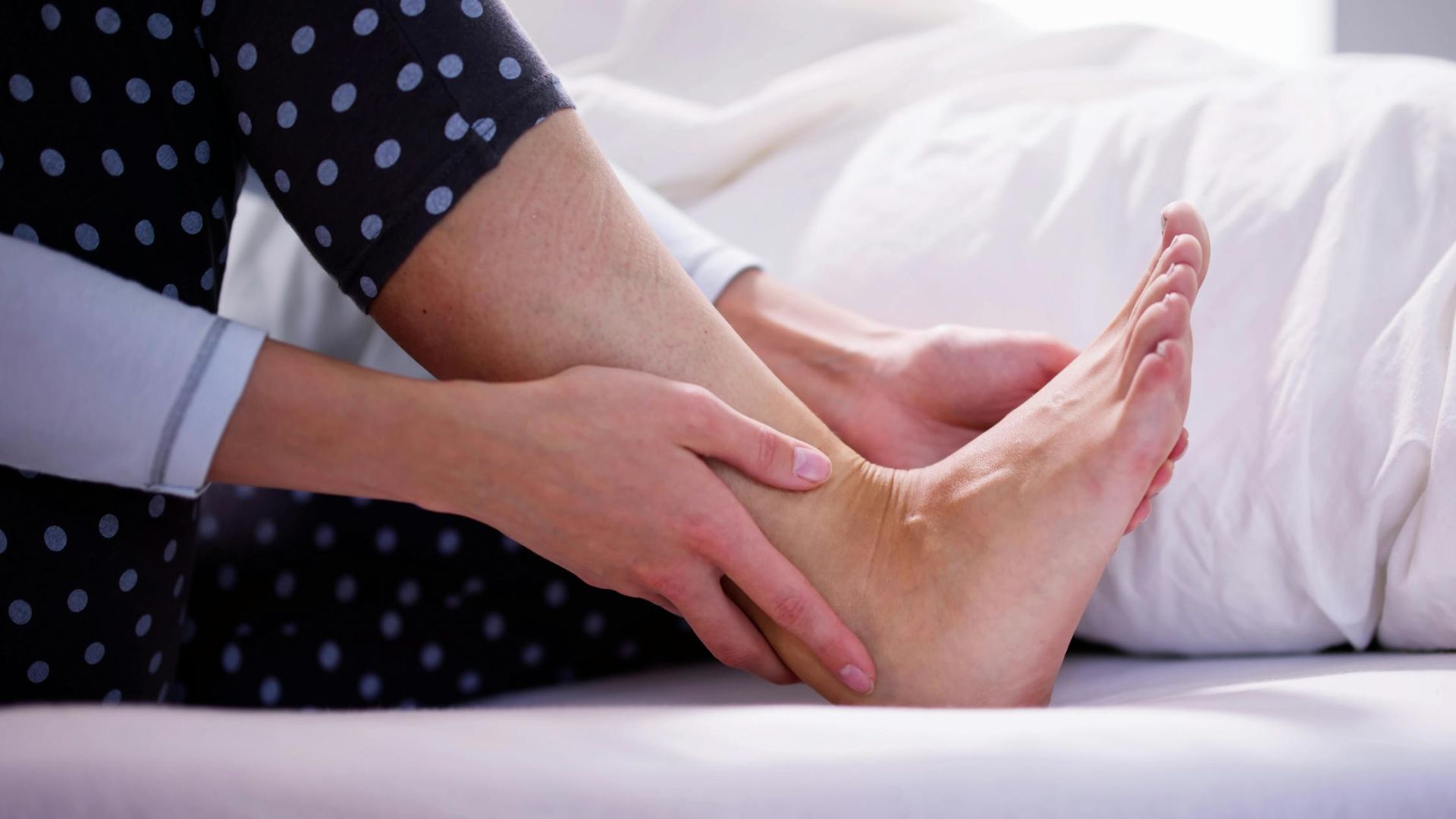
Foot and ankle pain can be difficult to diagnose because several conditions may produce similar symptoms. For example, pain beneath the heel may be related to plantar fasciitis, a stress injury, nerve irritation, or a problem higher in the leg.
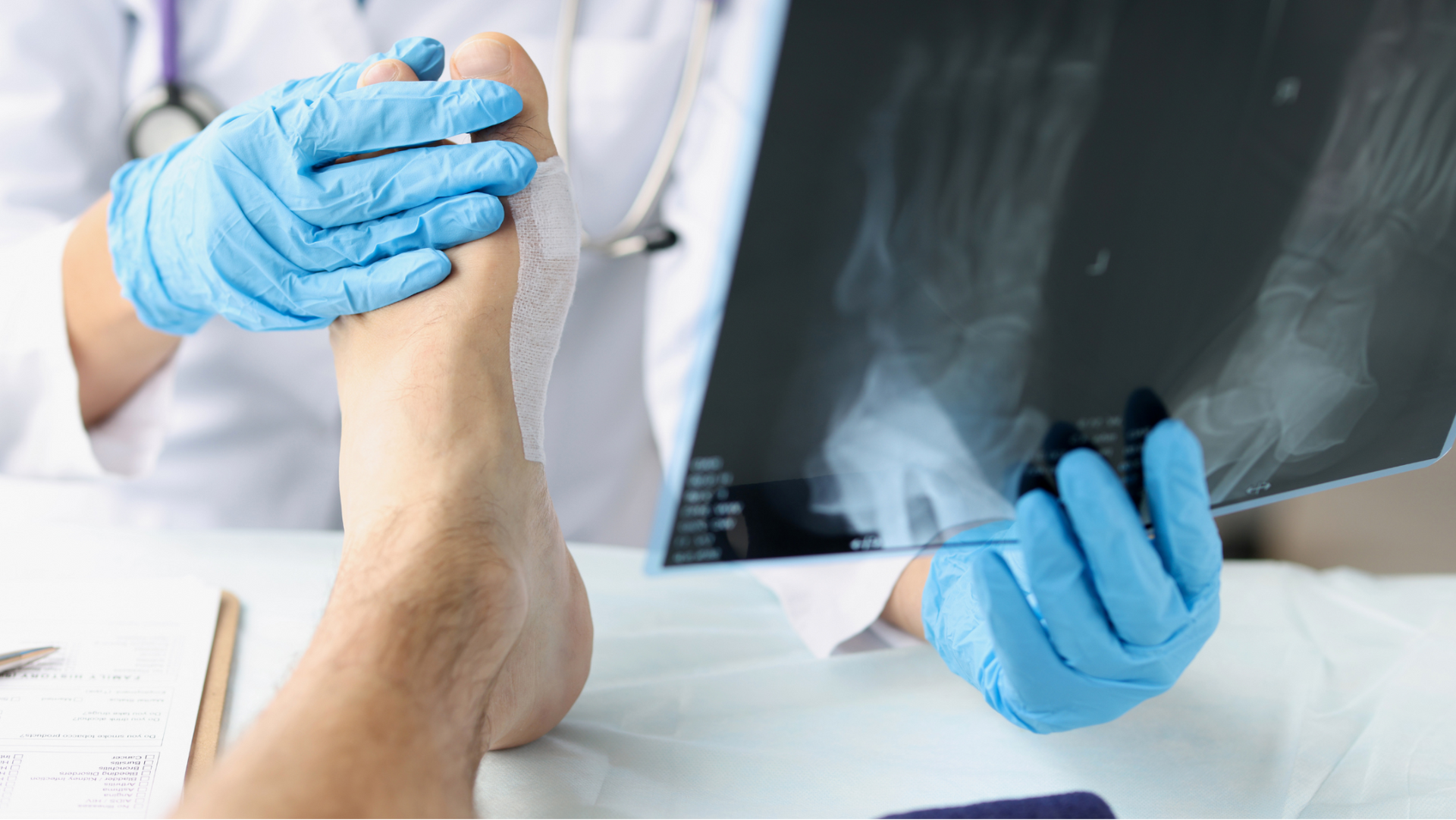
A detailed history and physical examination help determine what is happening. When appropriate, imaging or additional testing may be recommended. An accurate diagnosis allows treatment to be more focused and helps prevent unnecessary delays.
If your symptoms involve a specific condition, you can learn more about ankle sprains , Achilles tendonitis , or heel pain .
2. It creates a personalized treatment plan
Recovery is not identical for every patient. A recreational runner, high school athlete, warehouse worker, and older adult may need different goals and timelines.
Your care plan may include:
- Activity modification without complete inactivity when safe
- Targeted stretching and strengthening
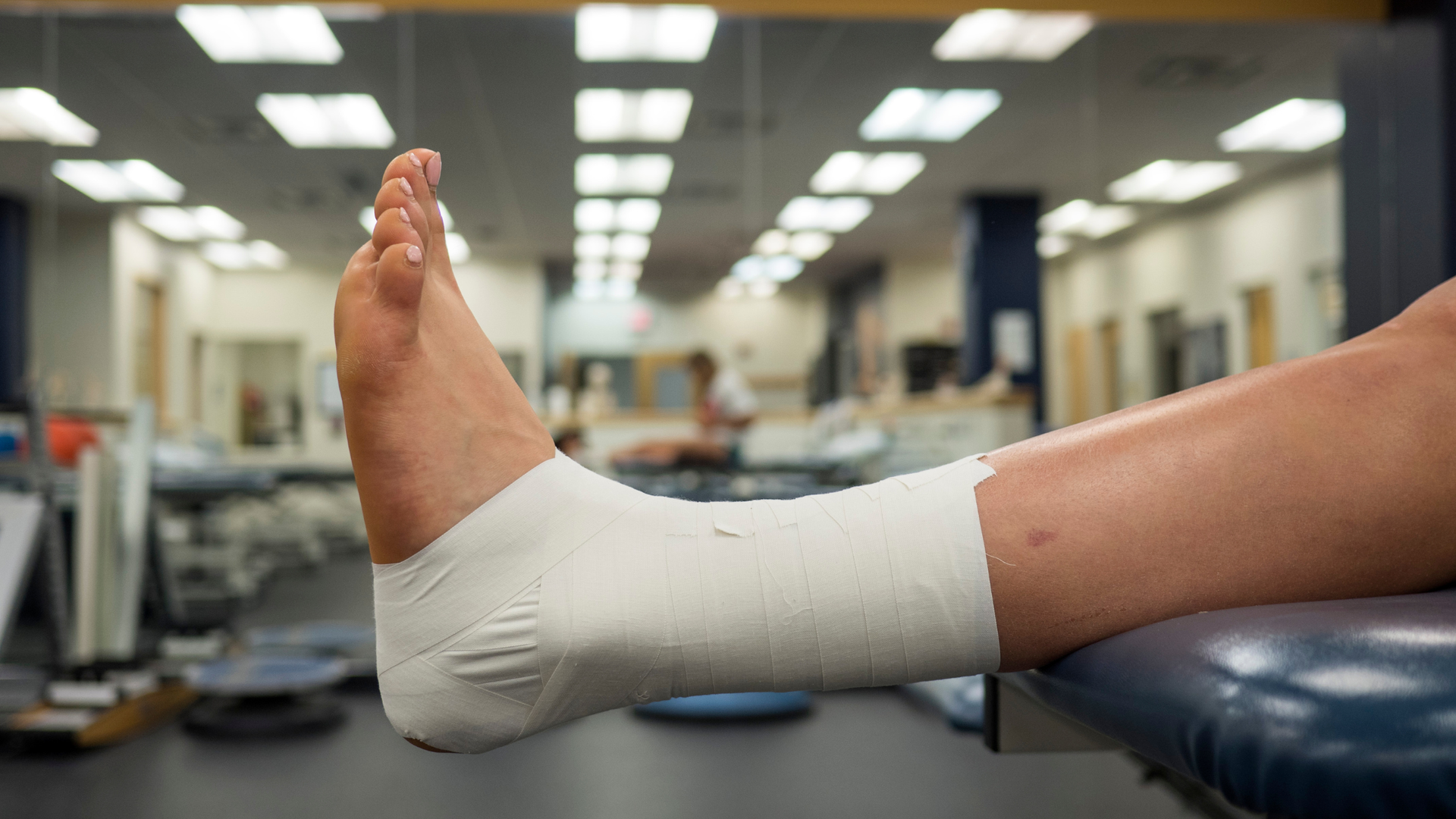
- Bracing, taping, or supportive footwear
- Physical therapy or home exercises
- Anti-inflammatory strategies when appropriate
- Gradual progression back to normal activity
Treatment decisions should account for your health history, occupation, sport, training schedule, and comfort level. The goal is to promote healing while maintaining as much safe movement as possible.
3. It improves biomechanics and movement
Biomechanics describes how your feet, ankles, knees, hips, and body work together during movement. A limited ankle range of motion, collapsing arch, leg-length difference, or unstable foot can place extra stress on muscles and joints.
A biomechanical evaluation may reveal why an injury developed or why it keeps returning. Corrective exercises, technique changes, footwear adjustments, or custom devices can help distribute pressure more effectively.
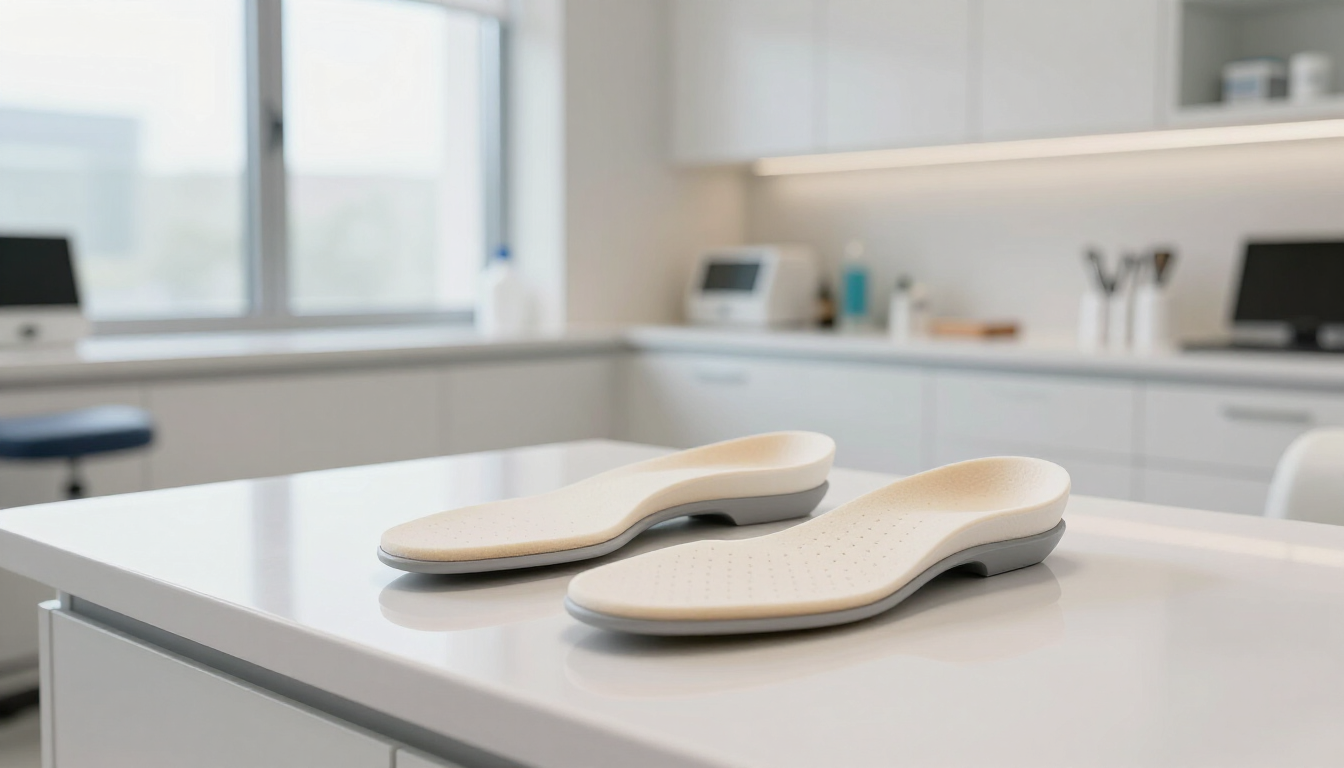
Orthotics may be useful for some patients, particularly when foot structure or movement contributes to repeated pain. They are not automatically necessary for every injury, so a professional assessment is important.
4. It supports a safer return to activity
Feeling better does not always mean an injury is fully ready for demanding activity. Returning too quickly can increase the risk of reinjury, compensation, or chronic symptoms.
A return-to-sport or return-to-work plan commonly progresses through stages:
- Control pain, swelling, and irritation.
- Restore comfortable movement and basic strength.
- Add balance, coordination, and sport-specific drills.
- Increase duration and intensity gradually.
- Resume full activity when function and symptoms support it.
Your provider can help define practical milestones. These may include walking without a limp, hopping comfortably, completing work duties, or performing sport movements without increasing pain during or after activity.
When Should You See a Podiatrist for a Sports Injury?
Consider scheduling an evaluation when pain persists, limits activity, or returns whenever you resume exercise. Prompt care is especially important after a fall, collision, twisting injury, or sudden change in swelling or function.
Seek urgent medical attention for severe pain, visible deformity, inability to bear weight, numbness, a cold or discolored foot, an open wound, or rapidly increasing swelling. People with diabetes, poor circulation, or a history of slow healing should also avoid waiting on foot injuries. Learn more about injury care and wound care .
Ignoring symptoms may allow a manageable problem to become more difficult. Early assessment can clarify whether you need rest, rehabilitation, immobilization, imaging, or another form of treatment.
Prevention Strategies for Active Feet and Ankles
Sports medicine also helps reduce future injury risk. Prevention begins with habits that match your activity and physical condition.
Useful strategies include:
- Increase training volume and intensity gradually.
- Warm up before demanding exercise and cool down afterward.
- Replace worn athletic shoes and choose activity-appropriate support.
- Strengthen the feet, ankles, calves, and surrounding muscles.
- Include balance and mobility work in your routine.
- Address pain early rather than training through worsening symptoms.
Footwear can be particularly important. Shoes should fit comfortably, provide appropriate support for your activity, and be replaced when cushioning or stability has noticeably declined. If you are unsure what footwear may suit your needs, our Shoe Shop offers a place to explore supportive options.
What Can You Expect at a Sports Podiatry Visit?
Your appointment typically begins with questions about when symptoms started, what makes them better or worse, your activity level, and any previous injuries. The examination may include walking analysis, range-of-motion testing, strength checks, balance assessment, and targeted pressure or tenderness testing.
Bring information about your shoes, training changes, medications, and relevant medical conditions. If possible, note when pain occurs and whether swelling, bruising, numbness, or weakness is present.
The next step may be a home program, follow-up evaluation, referral for therapy, imaging, orthotics, or another treatment. At a Cheshire, CT podiatry practice, individualized care can help connect your recovery plan with your daily activities and long-term foot health. Visit our Services page or contact the office to learn more.
Key Takeaways
Sports medicine in podiatry is useful when foot or ankle pain affects movement, exercise, work, or competition. It combines diagnosis, biomechanics, treatment, rehabilitation, and prevention rather than focusing only on immediate symptom relief.
- Seek evaluation for persistent or recurring pain.
- Follow a gradual return-to-activity plan.
- Address footwear and movement factors that may contribute to injury.
- Use professional guidance for severe symptoms or high-risk health conditions.
- Take the next step by comparing your symptoms with available foot and ankle services.
Early, individualized care can help you recover with greater confidence and reduce the chance of repeating the same injury.